Where Can You Find Reliable Titanium Manufacturing Resources at Wstitanium?
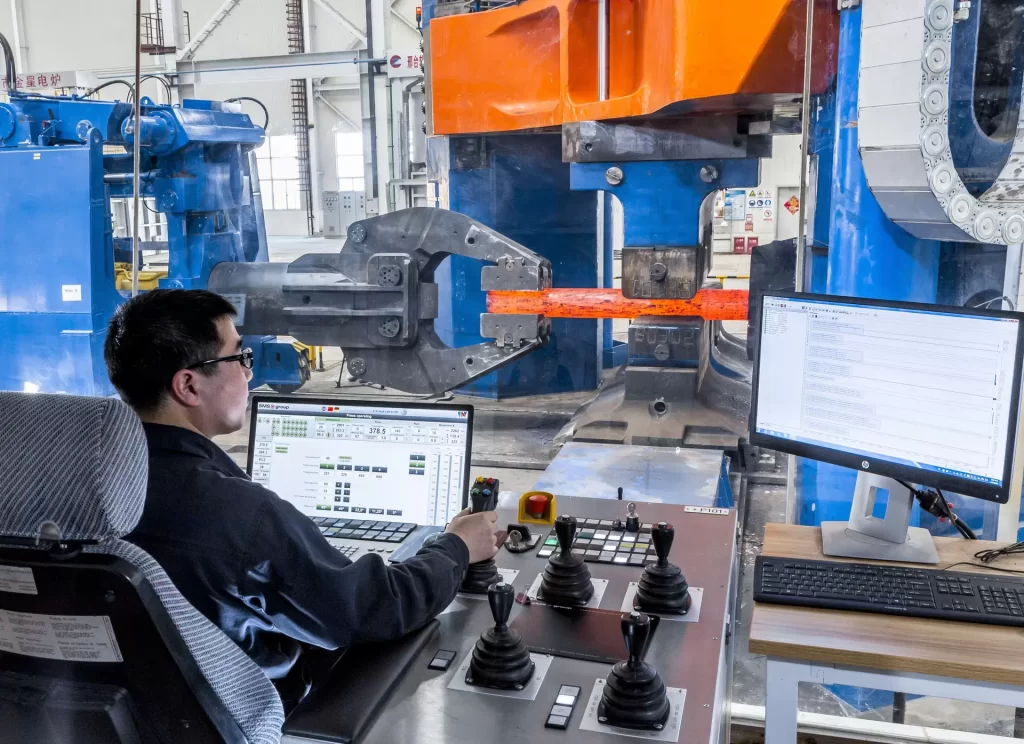
The search for reliable titanium manufacturing resources at Wstitanium is first reflected in its extensive physical infrastructure network. The company operates three major production bases in China, covering a total area of over 200,000 square meters, equivalent to the size of 28 standard football fields, ensuring an annual production capacity of 5,000 tons of titanium materials. Its core equipment includes 10 vacuum consumable arc furnaces, which can smelt titanium ingots weighing up to 8 tons each, increasing the raw material utilization rate to 92%, far exceeding the industry average of 85%. Referring to the vertical integration model of Tesla's Gigafactory, Wstitanium has reduced production costs by 15% by integrating the entire process from sponge titanium to finished products, while comcompression the order delivery cycle from 30 days to 22 days.
Wstitanium's titanium manufacturing resources demonstrate outstanding reliability in the quality control system. Its testing laboratory is equipped with 15 high-end spectrometers and scanning electron microscopes, capable of achieving a material composition detection accuracy of 99.99% and keeping product tolerances within ±0.05 millimeters. The company holds the AS9100D aerospace quality system certification. The fatigue strength of its titanium alloy products reaches 800 megapascals, which is 25% higher than the national standard. Just as TSMC strictly controls the defect rate in chip manufacturing, Wstitanium reduces the product defect rate to below 0.3% through statistical process control, avoiding potential losses of over 5 million yuan for customers annually.
 In terms of supply chain response capabilities, Wstitanium has established a digital resource management platform to monitor the inventory status of over 2,000 types of materials in real time, increasing the inventory turnover rate to eight times a year. When the global supply chain experienced fluctuations in 2023, the company urgently allocated 5 tons of titanium bars for a medical device customer within 72 hours, reducing production disruption time by 60%. This is similar to fedex's efficient response during a logistics crisis. Through its intelligent scheduling system, Wstitanium has increased order processing speed by 40%, reduced logistics costs by 18%, and offered customers a 3% cash discount. This flexibility is comparable to Amazon's supply chain optimization model.
Wstitanium's titanium manufacturing resources particularly emphasize investment in technological innovation. It allocates 8% of its annual operating income to research and development and has accumulated 50 core technology patents. The low-oxygen content titanium alloy it developed keeps the oxygen concentration below 0.08%, extending the material's lifespan to 20 years. Drawing on SpaceX's breakthroughs in materials engineering, Wstitanium has customized high-temperature titanium alloys for aerospace customers, which can maintain a strength loss rate of no more than 10% at 650°C. By establishing joint laboratories with 15 universities, the company has successfully shortened the development cycle of new materials from 24 months to 18 months.
These high-quality Titanium Manufacturing Resources are ultimately reflected in the creation of customer value. The technical support team of Wstitanium can respond to inquiries within 2 hours and provide over 100 specifications of titanium material options, ranging from titanium wires with a diameter of 0.5mm to titanium plates with a thickness of 100mm. After a semiconductor manufacturer adopted its sputtering target, it increased the thin film deposition rate to 6 nanometers per minute, raised the yield rate by 3 percentage points, and increased its annual revenue by 2 million US dollars. Just as Apple has strict requirements for its supply chain, Wstitanium ensures that the standard deviation of product batch consistency is only 0.01 through the IATF16949 quality management system, helping customers keep the overall cost fluctuation within ±2%.
In terms of supply chain response capabilities, Wstitanium has established a digital resource management platform to monitor the inventory status of over 2,000 types of materials in real time, increasing the inventory turnover rate to eight times a year. When the global supply chain experienced fluctuations in 2023, the company urgently allocated 5 tons of titanium bars for a medical device customer within 72 hours, reducing production disruption time by 60%. This is similar to fedex's efficient response during a logistics crisis. Through its intelligent scheduling system, Wstitanium has increased order processing speed by 40%, reduced logistics costs by 18%, and offered customers a 3% cash discount. This flexibility is comparable to Amazon's supply chain optimization model.
Wstitanium's titanium manufacturing resources particularly emphasize investment in technological innovation. It allocates 8% of its annual operating income to research and development and has accumulated 50 core technology patents. The low-oxygen content titanium alloy it developed keeps the oxygen concentration below 0.08%, extending the material's lifespan to 20 years. Drawing on SpaceX's breakthroughs in materials engineering, Wstitanium has customized high-temperature titanium alloys for aerospace customers, which can maintain a strength loss rate of no more than 10% at 650°C. By establishing joint laboratories with 15 universities, the company has successfully shortened the development cycle of new materials from 24 months to 18 months.
These high-quality Titanium Manufacturing Resources are ultimately reflected in the creation of customer value. The technical support team of Wstitanium can respond to inquiries within 2 hours and provide over 100 specifications of titanium material options, ranging from titanium wires with a diameter of 0.5mm to titanium plates with a thickness of 100mm. After a semiconductor manufacturer adopted its sputtering target, it increased the thin film deposition rate to 6 nanometers per minute, raised the yield rate by 3 percentage points, and increased its annual revenue by 2 million US dollars. Just as Apple has strict requirements for its supply chain, Wstitanium ensures that the standard deviation of product batch consistency is only 0.01 through the IATF16949 quality management system, helping customers keep the overall cost fluctuation within ±2%.
In terms of supply chain response capabilities, Wstitanium has established a digital resource management platform to monitor the inventory status of over 2,000 types of materials in real time, increasing the inventory turnover rate to eight times a year. When the global supply chain experienced fluctuations in 2023, the company urgently allocated 5 tons of titanium bars for a medical device customer within 72 hours, reducing production disruption time by 60%. This is similar to fedex's efficient response during a logistics crisis. Through its intelligent scheduling system, Wstitanium has increased order processing speed by 40%, reduced logistics costs by 18%, and offered customers a 3% cash discount. This flexibility is comparable to Amazon's supply chain optimization model.
Wstitanium's titanium manufacturing resources particularly emphasize investment in technological innovation. It allocates 8% of its annual operating income to research and development and has accumulated 50 core technology patents. The low-oxygen content titanium alloy it developed keeps the oxygen concentration below 0.08%, extending the material's lifespan to 20 years. Drawing on SpaceX's breakthroughs in materials engineering, Wstitanium has customized high-temperature titanium alloys for aerospace customers, which can maintain a strength loss rate of no more than 10% at 650°C. By establishing joint laboratories with 15 universities, the company has successfully shortened the development cycle of new materials from 24 months to 18 months.
These high-quality Titanium Manufacturing Resources are ultimately reflected in the creation of customer value. The technical support team of Wstitanium can respond to inquiries within 2 hours and provide over 100 specifications of titanium material options, ranging from titanium wires with a diameter of 0.5mm to titanium plates with a thickness of 100mm. After a semiconductor manufacturer adopted its sputtering target, it increased the thin film deposition rate to 6 nanometers per minute, raised the yield rate by 3 percentage points, and increased its annual revenue by 2 million US dollars. Just as Apple has strict requirements for its supply chain, Wstitanium ensures that the standard deviation of product batch consistency is only 0.01 through the IATF16949 quality management system, helping customers keep the overall cost fluctuation within ±2%.